Why physiotherapy alone may not resolve chronic pain
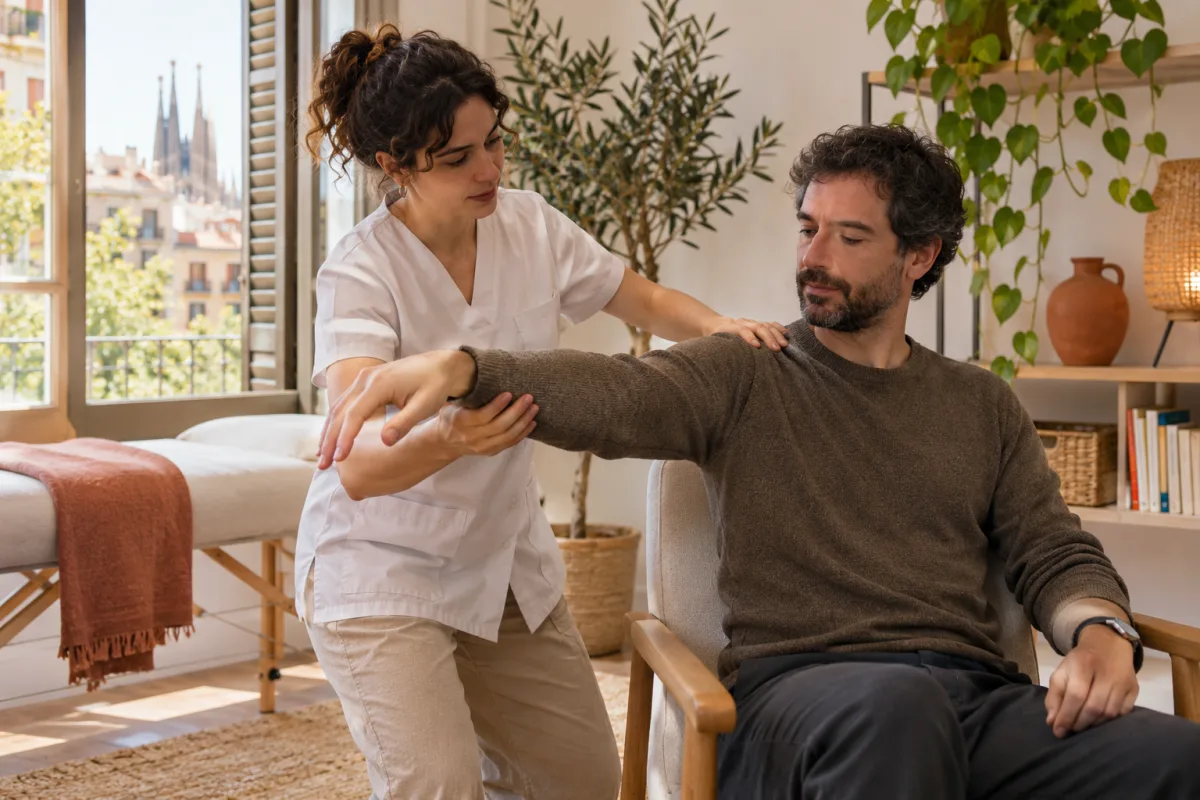
You’ve been going to physiotherapy for months. The pain eases, you go home and get back to your usual routine, and before long it’s back in the same place. It’s understandable to wonder whether it will always be this way.
Physiotherapy can still be useful. When pain persists, a broader assessment may help you understand what else could be contributing.
What can influence persistent pain?
Pain that lasts for weeks or months can be more complex than the original injury. In some cases, the nervous system stays sensitive after tissues have healed. Sleep, stress and how you feel can also influence how you experience pain.
Those influences don’t make the pain any less real. They may help explain why an improvement after treatment doesn’t always last.
How stress can feel in the body
Under sustained pressure, you might notice tighter muscles, shallower breathing, neck or back tension, or fatigue. If you’ve also been sleeping poorly or feeling overwhelmed at work, it’s worth mentioning that alongside the pain when you talk to a clinician.
When physiotherapy and psychology can work together
Physiotherapy can help with movement, muscle tension and getting back to everyday activities. Sometimes it helps to look at the wider context too. At Centro Amalia, our physiotherapists and psychologists can coordinate care where both perspectives would be useful.
Patterns to bring to an appointment
- The pain eases with treatment but often returns when you’re under more pressure.
- It tends to flare at particular times or around demanding situations.
- You’ve tried several approaches and the relief hasn’t lasted.
- You’ve noticed poor sleep, low energy or emotional distress alongside the pain.
These patterns can inform an assessment. They don’t establish what’s causing the pain or which kind of support you’ll need.
Start by talking about what’s happening
Some people need mainly physical rehabilitation. Others may benefit from psychological support alongside it. You don’t have to work that out before contacting us. A free introductory call is a chance to tell us what you’re experiencing and ask where to start.
Read about our integrated approach or call +34 604 56 36 36. Our Barcelona centre is at Calle Valencia 263, 08007 Barcelona. Monday to Friday, 9 am to 9 pm. You can also email informacion@centroamalia.com.
This article is for information. It does not replace diagnosis, treatment or advice from a qualified healthcare professional. If you have questions about your health, speak to your doctor or another qualified professional.
Further reading