Why chronic pain can persist despite physiotherapy
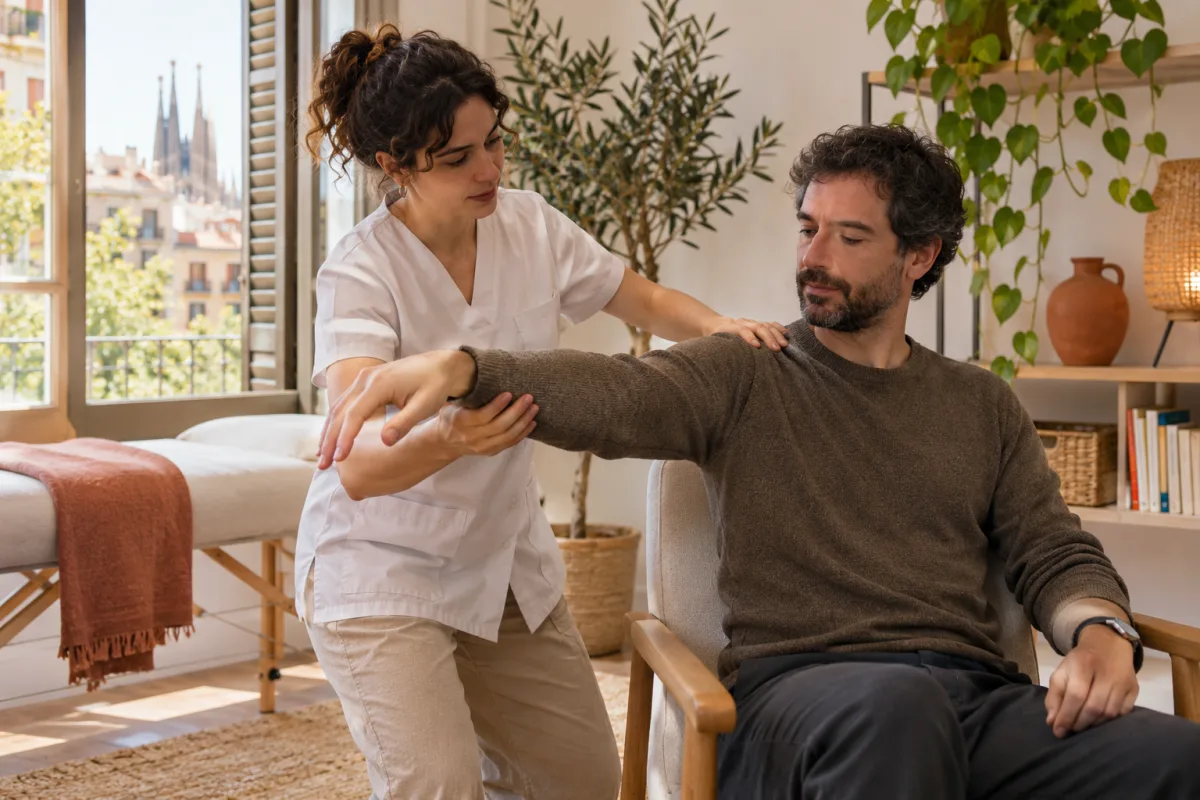
You’ve had the same pain for months, perhaps years. You’ve tried physiotherapy and massage. It eases for a few days and then returns. You’re left wondering why the relief never lasts.
When a scan doesn’t answer your question
Some people come to us after being told that a scan hasn’t found anything serious or that their muscles are tense. The pain is still affecting them, and they want to understand why the tension keeps returning.
Physical and emotional factors can both influence pain. Ongoing stress and poor sleep can go along with muscle tension, and those patterns are useful to discuss alongside any findings from a physical examination.
What else might be worth looking at?
Physiotherapy can help with movement, discomfort and function. If the same difficulty keeps coming back, it can also help to ask about sleep, workload, stress and how the pain is affecting daily life. You can have painful muscle tension without a major injury. An assessment can help you understand what may be contributing in your case.
When a physiotherapist and psychologist work together, they can consider the person’s history and circumstances alongside the area that hurts. That’s especially useful when someone has tried several kinds of support and still feels they’re missing part of the picture.
Notice what the pain is getting in the way of
You may have been putting up with discomfort at the end of the day or a tight neck after a difficult week. If pain is affecting sleep, concentration or activities you used to do easily, bring that up at your appointment. It’s also useful to mention patterns, such as pain that tends to flare after meetings or when you finally sit down at home.
When pain persists, the nervous system can become more sensitive. That’s one possible part of the picture and one reason to assess what’s going on rather than assume the explanation.
What coordinated care can look like
The professionals supporting you can work together to plan care that takes your physical symptoms and emotional wellbeing into account. Depending on your situation, that might mean working on movement and function while also looking at stress, sleep or ways to manage a flare.
Learn how the Centro Amalia team works together if you’ve been living with persistent pain and would like to talk through your options.
Further reading