When your child can’t switch off: looking at anxiety in the family
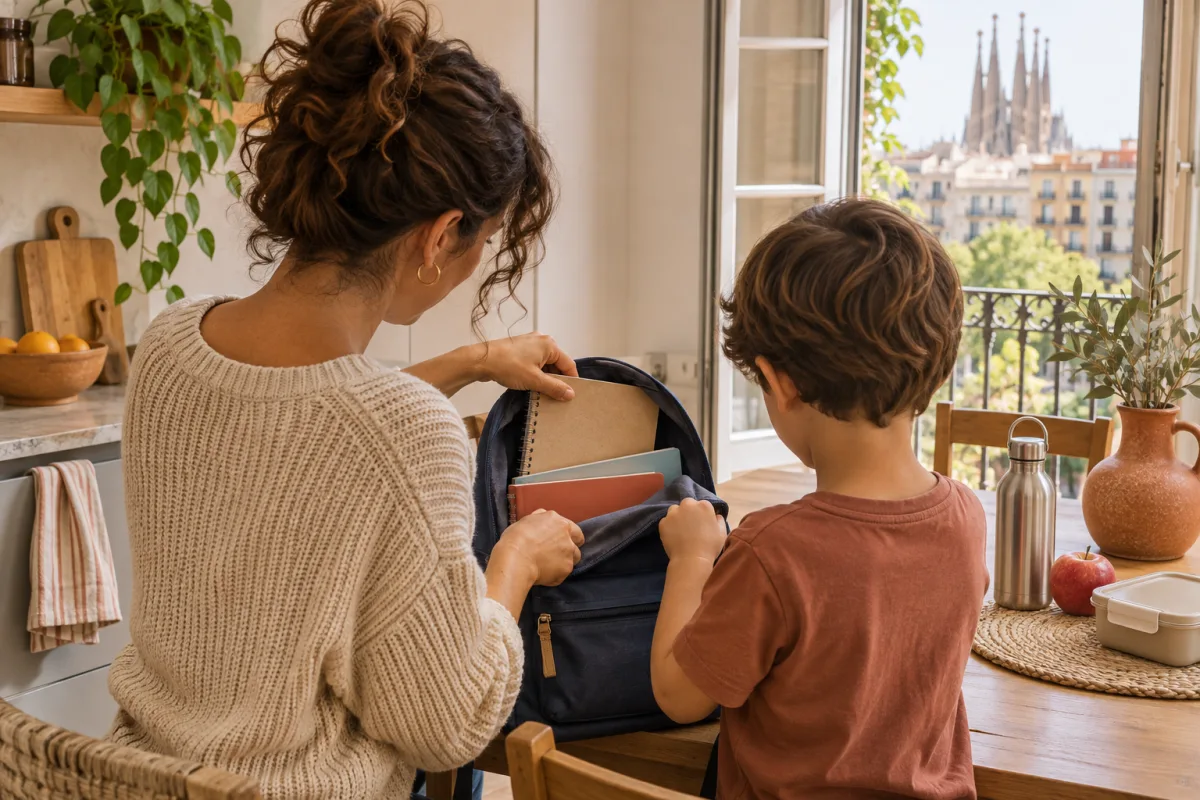
You’ve watched your child hold their stomach before school for months. The paediatrician hasn’t found an explanation and their teacher says they seem fine in class, but you can see they’re struggling.
When the physical signs are easier to see
You might notice that your child can’t sleep alone, gets headaches on Sunday afternoons or cries when you leave. They may not be able to explain why. Physical symptoms and distress deserve to be taken seriously, even when their cause is unclear.
When a medical check doesn’t answer your questions, it’s understandable to wonder whether you’re worrying too much or responding in the wrong way. We often meet parents who’ve already talked to the paediatrician and the school and tried relaxation techniques at home.
Looking at the child’s whole environment
A child’s everyday life includes family, school, routines and relationships. When anxiety persists, it helps to understand what happens across those settings and who else in the family needs to be heard. That can give you a fuller picture than trying separate strategies for sleep, school and relaxation.
What joined-up support can include
Understanding the child. We explore what they feel, what situations are difficult and what helps them cope. Children need age-appropriate ways to talk about feelings and a space where they feel safe doing so.
Working with parents and carers. Understanding what may be behind a reaction can make it easier to respond differently and help parents feel less alone.
Paying attention to physical symptoms. Anxiety can involve muscle tension, jaw clenching or changes in breathing. Depending on the individual situation, the team may discuss whether physiotherapy or another approach to physical wellbeing could complement psychological support.
When to ask for help
- Physical symptoms keep returning without a clear medical explanation.
- Distress repeatedly occurs around separation, school or changes in routine.
- You feel overwhelmed and unsure how to respond.
- You’ve tried several approaches and your child is still struggling.
A first conversation can help you sort through what you’re seeing. At Centro Amalia we work with both children and their families. Find out how we can support you.
Further reading