Stomach aches every morning: when your child’s body is asking for help
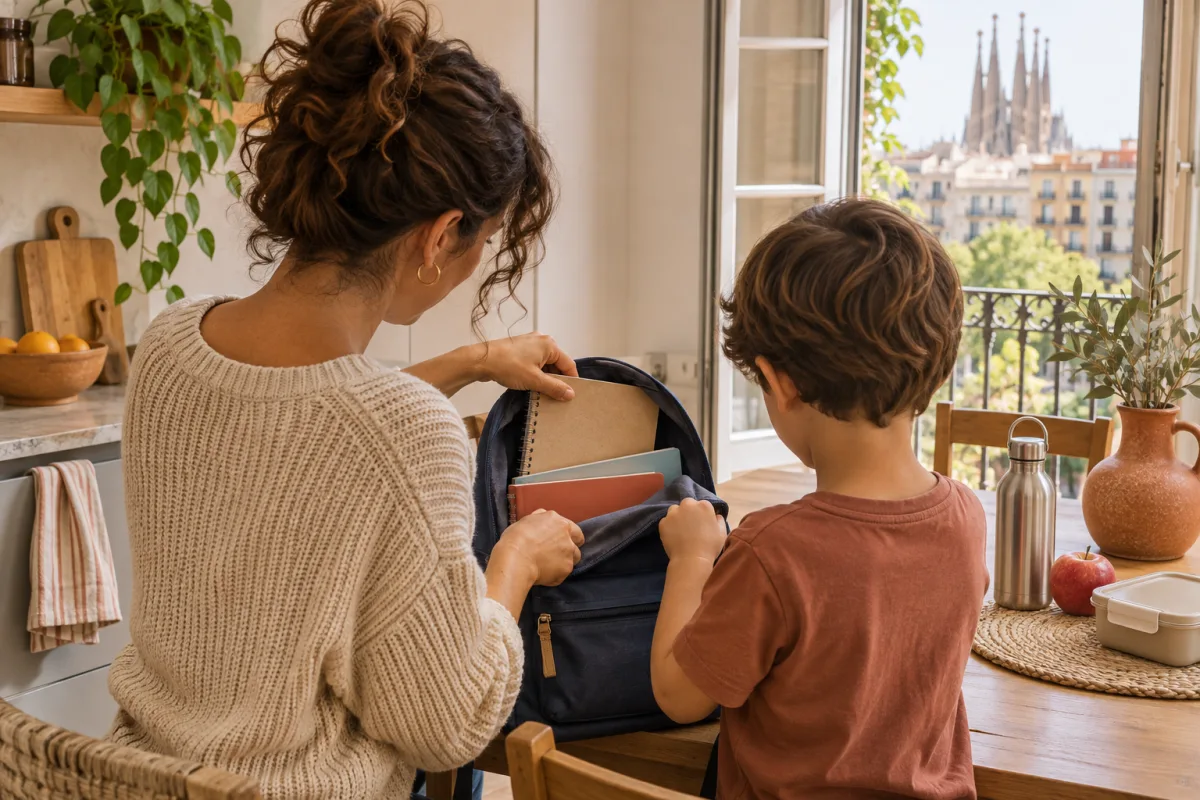
Your child has been complaining of stomach aches for weeks, usually just before leaving for school. Their paediatrician has examined them and hasn’t found a physical explanation, but the pain keeps coming back. You wonder whether it’s a phase or whether there’s something you’re missing.
It makes sense to take a recurring problem seriously, even when the reason is unclear.
When a child feels something they can’t put into words
Childhood anxiety doesn’t always look like a child saying, “I feel anxious.” It may show up as tears before school, a fear that wasn’t there before, or reactions that seem much bigger than the situation. Some children also describe stomach aches, headaches, nausea or tension.
Younger children, including many aged four to twelve, are still learning to recognise and describe emotions. Physical discomfort is real, even when an examination doesn’t explain it. An assessment can help you explore whether emotional distress could be one factor.
We sometimes meet families who’ve already seen their paediatrician and other specialists. Taking time to ask when the symptoms occur and what else is happening in the child’s life can help build a fuller picture.
Patterns worth paying attention to
Any one of these changes may have several explanations. Notice whether they occur together, persist or begin to interfere with your child’s day.
- Recurring physical complaints, such as stomach aches or headaches, without a clear explanation.
- Repeated tears or distress before school or after-school activities.
- Irritability or outbursts that seem out of proportion to what happened.
- Avoiding things your child used to do comfortably, such as visiting a friend, sleeping alone or taking part in class.
- New fears, familiar fears becoming stronger or frequent questions about whether something bad will happen.
It’s natural to look for a physical explanation first. When a pattern persists, it can be useful to talk through both the physical and emotional sides with a professional.
It’s understandable to wonder if you should have noticed sooner
These signs can be difficult to recognise, especially when your child can’t explain what they’re feeling. The useful question now is what would help them feel understood and supported.
What support can look like
A child psychologist can help your child find words and ways to manage what they’re feeling, using tools that suit their age. Parents and carers can also get support with how to respond in difficult moments, without dismissing their child’s distress or taking over for them.
At Centro Amalia we consider both emotional and physical wellbeing. If your child’s symptoms keep recurring and you’re unsure what to do next, you can find out about our work with children and families or talk with the team.
Further reading