Could anxiety explain your child’s morning stomach aches?
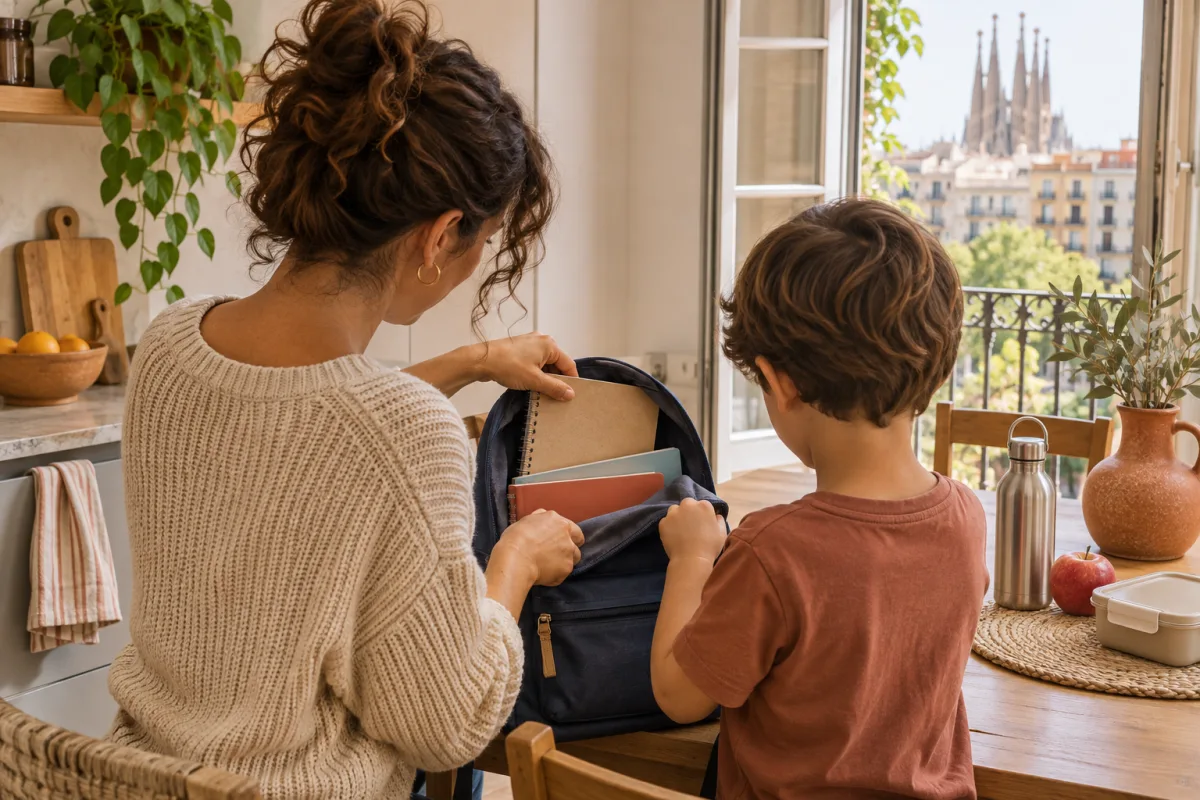
The paediatrician hasn’t found a physical explanation, but each morning your child cries, complains of a stomach ache or stays in bed unable to tell you why. As you help them get ready for school, you wonder whether you’re worrying too much or whether you should have acted sooner.
It can be difficult to recognise anxiety in a child because they may experience it quite differently from how you expect.
When words are hard to find
Children aged four to twelve are still learning how to describe emotions. Some notice physical changes first, such as a recurring stomach ache, headache or nausea before a particular situation. Others become more irritable, cry, develop new fears or resist activities they used to do comfortably.
A parent might tell us their child has complained of stomach aches every Sunday evening for months. A recurring pattern can help you identify questions to explore. It doesn’t establish that anxiety is the cause.
Why it’s easy to mistake a pattern for a phase
Crying before school might reflect a period of adjustment. A stomach ache can have many explanations, and an outburst may follow a tiring day. It’s worth taking a closer look if the pattern lasts for weeks, becomes stronger around particular situations such as saying goodbye, or leaves your child struggling to get through everyday routines.
Recognising what’s happening can be hard for anyone. The important thing is to notice the pattern and listen to what your child can tell you about it.
What can change when you understand what’s happening
Working out what your child is experiencing can help you choose support that fits them. With help, children can learn ways to recognise and manage feelings that are difficult to describe. Their progress and needs vary from child to child.
Adults have a part in that process. You can help your child feel less alone while they learn how to manage what’s overwhelming them.
Where to start
If the pattern keeps recurring, affects your child’s wellbeing or changes daily life for the whole family, and a paediatrician hasn’t found a physical explanation, you can ask a child psychologist for advice.
At Centro Amalia we start by listening to your child and to you. The first conversation gives us a chance to understand what you’re seeing and work out what support might help. Read about our work with children and families.
Further reading